Thursday, 24 February 2011

Examples of Camera Shots and Angles

The Long Shot shows the entire body or object and is usually meant to relate the person or object to their surrounding. Also referred to as a wide shot.
Extreme Long Shot:
 The Extreme Long Shot is very similar to the Long Shot but is alot less focused on the person or object but is more focused on the surroundings.
In film, this shot is used in the Establishing Shots which show the location of the scene to the audience.
Medium Shot:
 The Medium Shot is normally used in scenes to show the reaction of a person. There is contraversy as to what is the medium shot as in Europe a Medium Shot is from the waist of a person upwards but in other parts of the world, a medium shot shows the full person.
 Close-up Shot:
The Close-up Shot frame the face of a person or zooms in on a object so the camera is entirely focused on that object rather than the background or location. In film, this shot provides the most detail for reaction shots and are used more commonly in soap operas rather than in movies. Lack of close-ups can leave the audience feeling distance from the character and the drama but too many close-ups leave the audience disorientated and unsure of the surroundings.
 Extreme Close-Up Shot:
 The Extreme Close-Up Shot is not often used because it is zoomed in far to close to establish the emotions of the person.Usually focuses entirely on a specific part of the body or object and is used only for dramatic effect.

The Low Angle Shot is used during scenes when the audience is meant to feel powerless in the situation on screen. Characters filmed through a Low Angle Shot look more powerful and this specific shot also increases height. The background to a Low Angle Shot is normally sky or ceiling which can make the audience feel disorientated
High Angle Shot:
 A High Angle Shot makes the character or object seem less significant and smaller.
  Two Shot:
A Two Shot establishes the relationship between two characters and also allows the audience to follow the action without getting confused by constant cuts from face to face following the conversation. The Two Shot also allows the audience to be able to see the body language of the characters and the location that they are in
Wednesday, 23 February 2011
Thursday, 3 February 2011
180 Degree Rule

The 180° rule is a basic guideline in film making that states that two characters (or other elements) in the same scene should always have the same left/right relationship to each other. If the camera passes over the imaginary axis connecting the two subjects, it is called crossing the line. The new shot, from the opposite side, is known as a reverse angle.
Example:
If the man in orange is on the left and the man in blue is on the right, then the man in orange should be facing right at all times, even when the man in blue is off the edge of the frame, and the man in blue should always be facing left. Shifting to the other side of the characters on a cut, so that the man in blue is now on the left side and the man in orange is on the left. This would disorientate the viewer and confuse up the scene
Thursday, 27 January 2011
Typical Thriller Conventions

- Rapists
- Victims
- Murderers
- Psychotic individuals
- Serial Killers
- Loners
- Ghosts
- Vunrable Women

Conventional Thriller Settings:
- Isolated houses/ areas
- Woods
- Cities/ Towns
- Night
- Graveyards


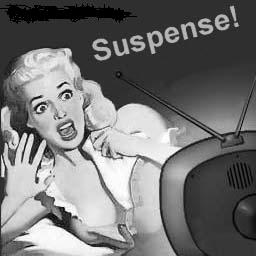
- Murder
- Violence
- Romance
- Suspense
- Mystery
- Death
Thursday, 20 January 2011
Wednesday, 19 January 2011
5 Thriller Films Researched
1, Hide and Seek (2005)


3,One Hour Photo (2002)

4, The Prestige (2006)

5, Taken (2008)

- hybrid thriller as it contains many stereotypical horror elements such as murder, darkness and fear but also contains mystery, tension and suspense which is very generic of the thriller genre
- Set in a large house in an isolated area
- Murder is a constant theme throughout the story

- Ends in suspense when the heroine (Emily) draws hersel in a picture with a double head, suggesting that she to sufffers with the same mental disease her father had
- Use of pathetic fallacy to create atmosphere during tense moments
- Music emphasises the suspense that the audience is meant to feel
- Killer is a psychotic, rapist which is very stereotypical of the thriller genre
- Cape Fear is a hybrid thriller as it contains themes of crime such as criminal vs defense lawyer
- Use of props such as fake blood and make-up wounds make violence and gore a recurring theme

3,One Hour Photo (2002)
- A psychological thriller that focuses on a loner character
- Uses music to indicate when something is not quite right
- Use of extrememly bright lighting to create the effect of being in a mental institution to emphasise characters state of mind
- soundtrack of a heart beat to emphasise tension- very typical of the thriller genre

4, The Prestige (2006)
- Use of dark lighting creates dark and tense mood throughout the storyline
- Themes of revenge, violence and madness
- Hybrid thriller as the themes of magic make it a fantasy thriller
- Dangerous magic tricks performed which create suspense in the audience
- Use of lashbacks to reveal plot twist at the ending

5, Taken (2008)
- Hybrid thriller as Taken contains themes of both action and crime
- Use of split screen
- Sound effects used in the fight scenes - creates a fast paced rhythm that creates tension and fear
- Reaction shot used on fathers face when he sees his daughter
- Setting changes from a clean and bright airport (equilibrium) to dark and grim (disequilibrium)

Subscribe to:
Comments (Atom)